
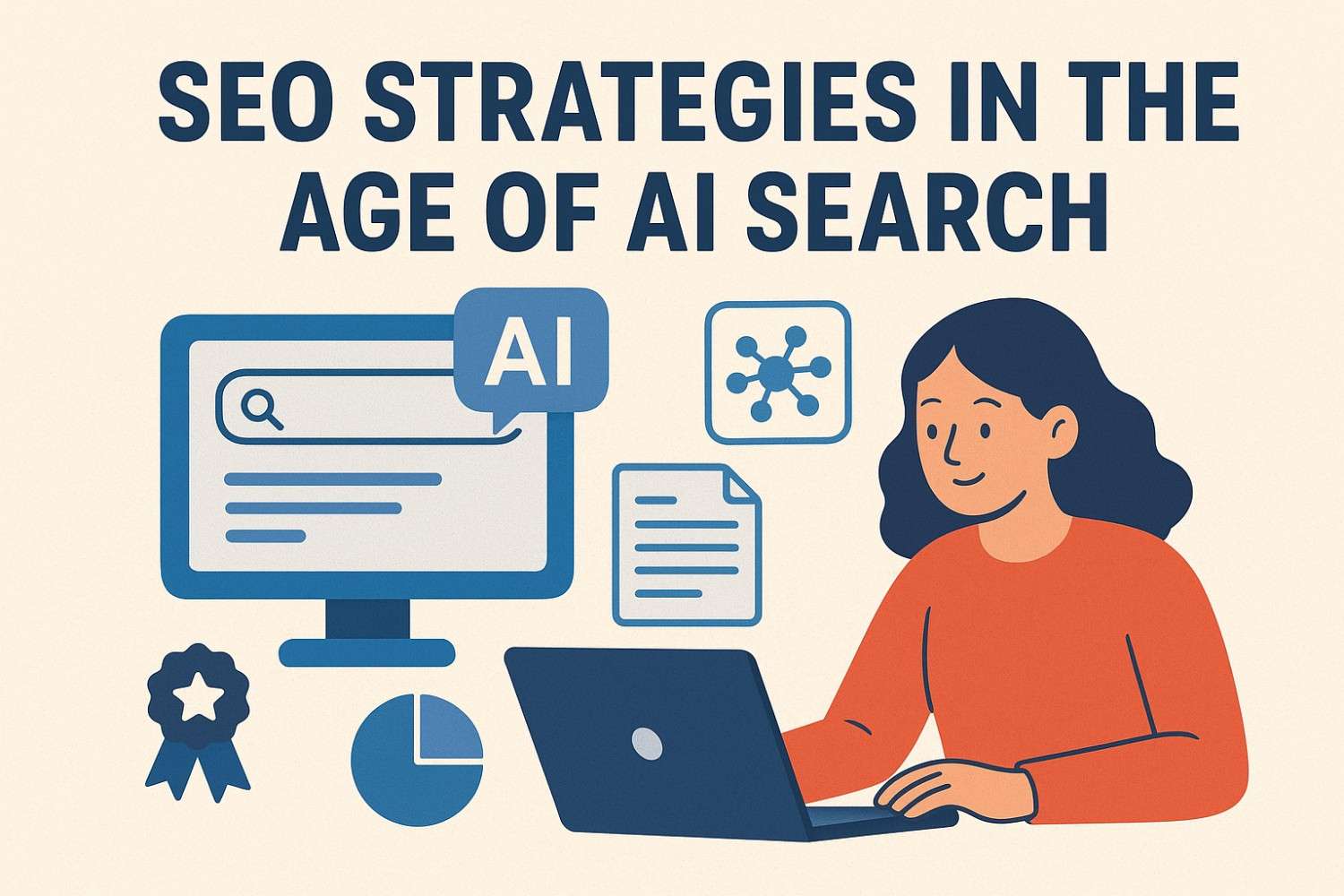
SEO strategies in the age of AI search. Today, SEO is about producing genuine human-first content, not keywords and backlinks, in an age of AI powered search. Today’s search engines, such as Google’s AI-based systems, understand intent, context, and conversational queries. The emphasis for brands needs to be on addressing real questions in a natural tone. Establishing topical authority on a subject by providing depth, and creating user-friendly content that references proper headings, schema markup, and visual representations will help AI know where and how to rank your pages. Ultimately, providing original insights, case studies, or personal experience can set your content apart from more generic text created by machine, even when it is factually sound. It’s also important to continue to stay relevant by refreshing your articles, trying new formats like FAQs, and considering what is under-represented on the internet. The bottom line—whatever the site may be—there will be a place for SEO and content creators who are maximizing creativity as well as the smart science of optimization because AI is built to reward content that serves people. 1. More than Keywords: Leaning into Semantic SEO The days of simply stuffing keywords into your content for a guaranteed number one in search engines are coming to an end. Algorithms powered by artificial intelligence are smart enough to discern the meaning and context of a query, not just the words, which is referred to as “semantic SEO.” Concentrate on themes rather than narrow keywords: Instead of trying to optimize for “best running shoes,” think more broadly about topics like “reviews of athletic shoes” or “how to choose running gear.” Respond to user questions: One thing that AI is great at is detecting questions through search queries. Write your content to answer common questions on your topic in depth. Google’s “People Also Ask” section is a great resource. Establish topical authority: Write groups of interlinked content, roughly around core topics. This shows search engines you are a complete and thorough source on that topic. 2. Quality is King: The Emergence of E-E-A-T and High-Quality Content High-quality and trustworthy content is prized by AI. Google’s E-E-A-T (Experience, Expertise, Authoritativeness, and Trustworthiness) guidelines are more important than ever. Show Experience: Include real world examples, case studies, and personal experience. Showcase Expertise: Ensure the content has been written, or at least reviewed, by actual experts in the field and include author bios and credentials. Build Authority: Gain backlinks from reputable and respected sources and be referenced by other authoritative websites. Build Trustworthiness: Provide accurate and timely information, cite your sources, and be transparent on the website. 3. The Emergence of Conversational Search and Voice SEO The rise of voice assistants such as Siri, Alexa, and Google Assistant has allowed conversational search to reach new heights. People are asking full natural language questions instead of short phrases with keywords. Focus on Long-Tail Keywords and Questions: Consider how a person would verbally ask a question instead of typing it in. Provide Answers: Users conducting voice search, will likely prefer short, straightforward answers. Be explicit and answer the question at the start of your answer for a better chance of being considered for “featured snippet” potential. Identify User Intent: What does the user want to actually do about the voice query? Is it informational, navigational, or transactional? 4. User Experience (UX) as an SEO Component AI algorithms are getting better at measuring user experience. An engaging website that is mobile-device-friendly and fast is not only beneficial to your visitors, but also very important to your rankings. Speed: Slow loading times frustrate users and hurt your SEO. Optimize your images, cache your assets, and clean up your code. Mobile-First Design: Google crawls the mobile version of your site first. A smooth experience across the board is critical. Clear Navigation and Structure: Make it easy for users to find what they’re looking for (and for AI to understand it). Dynamic Content Formats: Use videos, infographics, and interactive content to keep users on your page for longer periods of time. 5. Data-Driven Insights with Artificial Intelligence Tools AI is not limited to search engine result pages (SERPs); AI is also integral to the SEO tools you use. You can harness the power of AI-based analytics and optimization tools to: Recognize Content Gaps: Find topics your audience cares about that you have not created content for. Anticipate Trends: Stay one step ahead of the game by uncovering new search patterns. Customize User Experiences: Create personalized content and suggestions based on your users’ individual activity. In the age of AI search, it’s not about beating the algorithms but aligning with them. If you focus on creating valuable, high-quality content that meets user intent, while optimizing for an easy and trustworthy user experience, you’ll not only survive but thrive in this new era of SEO. Conclusion In the era of AI search, SEO is about understanding people, not algorithms. It’s about writing content that seems natural, that fulfills genuine inquiries, and generates trust. As search engines improve, brands that prioritize value and user experience will always break through. If you’d like to improve your online presence, and adapt to these shifts, working with a freelance digital marketer who is located in Palakkad, Kerala can help you develop strategies to build trust with people and search engine algorithms.